 How to transform the way we manage
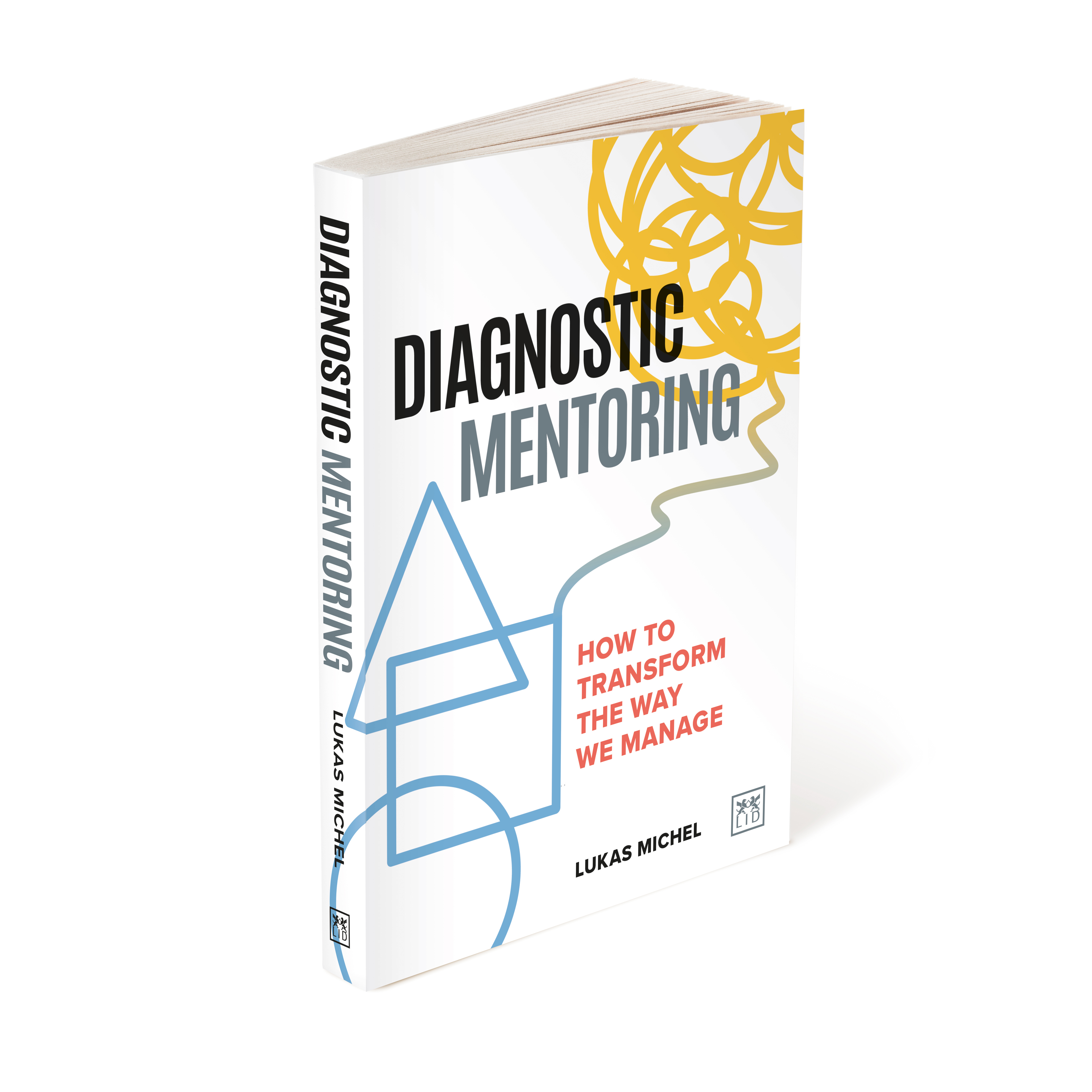
Author of Diagnostic Mentoring, Management Design (3rd edition) and 3 more books on management, Lukas Michel, explains how we can transform the way we manage.
Does better management matter? This is more than a rhetorical question. Does it make a difference when it comes to success, results, performance and flow? The immediate response is yes — otherwise, why would we engage in developing better management practices?
The businesses of today operate in a context that is dramatically different from the past. Identifying valuable business opportunities and extracting value from them is more demanding than ever. Managers constantly face challenges and opportunities that fundamentally alter the context in which they operate. That is why it’s vitally important and is also their primary job to manage and lead better than ever before.
Here are 3 steps to help you transform the way you manage and help you lead your organizations and employees better.
Step 1 diagnoses current operations, and the context, to understand what needs to become people-centric, agile and dynamic.
Monitoring is the discipline to observe and alter capabilities. By observing (scanning) capabilities, potential faults and malfunctions can be spotted at an early stage. By becoming aware of critical signals, potential design requirements can be identified. With this, leaders can decide whether or not to address the issues. As such, monitoring initiates changes in capabilities.
This step comes with the following:
The diagnostic: a professional set of tools to review capabilities.
The executive briefing: the feedback session with the executive in charge to review the potential and sources of interference, and to challenge assumptions and principles.
The canvas: the one-page recording tool for capturing structured conversions.
Step 2 uses the insights from the diagnostic and develops the road map action plan to develop future capabilities.
Use the team workshop and the expert briefing to move from ideas to action. The team workshop distils the gaps and key issues between current and future capabilities.
The expert briefing develops the initiatives and creates the road map that translates key issues into an action plan.
Learn fast is the step that translates action into results. It’s about the development activities that establish people-centric, agile and dynamic capabilities.
Start initiating your road map plan that was developed during the second step.
 |
|
 |
| Publiziert: 04:06:52 16.01.2022 | Management Insights, Lukas Michel |